








































Environmental Justice and Adaptation to Climate Change
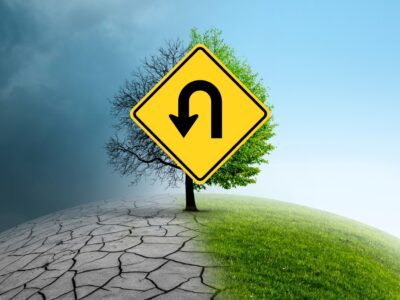
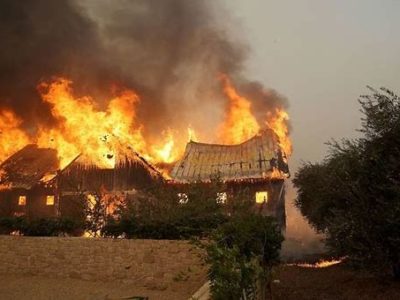
I’m beginning to wonder whether we need an “Endangered People Act” to ensure that the most vulnerable get the protection they need from climate change impacts. Climate change will disproportionately affect vulnerable individuals and poorer regions and countries, as I discuss in a recent paper comparing adaptation efforts in China, England, and the U.S. For example, by the end of the century, the number of heat wave days in Los Angeles could double, while the number in Chicago could quadruple, with corresponding increases in deaths. Elderly poor people are more vulnerable to heat stress; they are especially at risk when they are socially isolated. Another example is provided by coastal fishing communities around the world, such as Louisiana’s Cajuns, who will be swamped by rising sea levels. Internationally, millions of inhabitants of river deltas like the Mekong are at high risk from climate change.
We can combat the insidious tendency to downplay the needs of vulnerable individuals and communities with a requirement that planners identify marginal or disempowered groups or communities and ensure that their actions do not jeopardize the lives, homes or livelihoods of those people if possible – and where not possible, that every step is taken to respect the rights of the affected individuals. The White House task force on climate adaptation has made a recommendation prioritize the needs of vulnerable individual and communities, but it is yet to be seen whether the recommendation will be effectively implemented. A stronger mandate should be considered.
In the international arena, we should be thinking about possible connections between climate change and human rights. Human rights law could be at least a valuable source of inspiration: A human rights focus can redirect attention to people who are otherwise likely to be ignored or unheard. Where communities are already living in precarious circumstances (shanty towns, polluted or otherwise fragile environments), posing human rights questions may help to locate some of the hazards posed by climate change – from desertification, water salination, sea level rise, and so on – as well as those who are most at risk from them.
About Dan

Dan Farber has written and taught on environmental and constitutional law as well as about contracts, jurisprudence and legislation. Currently at Berkeley Law, he has al…
READ more
Reader Comments